|
Issues related to access to reliable and adequate energy are an integral part of the nexus between environmental insecurity and political instability and conflict. FESS defines energy security as a condition in which a nation or region, through an adequate, equitable, affordable, and environmentally sustainable supply of energy goods and services takes effective steps toward creating social, economic, and political stability and ensuring the welfare of its population. On the opposite end of the spectrum is energy insecurity, in which an actual and potential threat to livelihoods, social well-being, economic growth, and stability at the individual, community, and national levels arises from the lack of access to an affordable, adequate, and uninterrupted supply of clean energy.
|
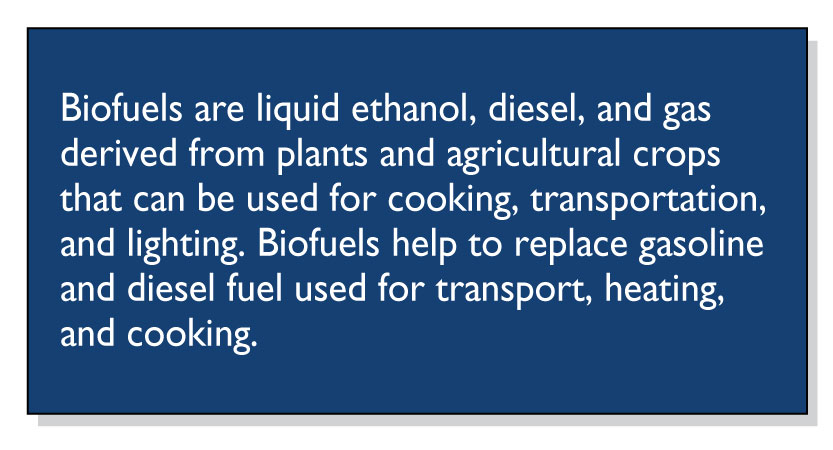
Energy Security is an emerging area of focus for FESS. With Africa at the center of its research agenda on this topic, FESS works in close collaboration with the Partnership for African Environmental Sustainability (PAES). The overarching goal is to help formulate strategies and policies that expand the use of modern bioenergy as a means to meet livelihood, natural resource, and security needs.
Africa accounts for only 5.7 percent of global energy consumption and has the lowest per capita level of energy consumption in the world. The continent depends on traditional biomass (solid wood, twigs, and cow dung) for more than 60 percent of the total energy it consumes and has the lowest level of end-use energy efficiency in the world, wasting 10 percent to 40 percent of its primary energy input. Not surprisingly, the continent has experienced instances of social unrest linked to energy scarcity, yet in the future appropriate policies could forestall this threat.
In conducting its work, FESS and PAES will collaborate with international agencies, national governments, civil society, research institutions, and the private sector. Research and assessment initiatives will seek to promote smallholder production and processing schemes to achieve energy and livelihood security. To date, FESS's partner PAES has completed one exploratory study of Africa's bioenergy potential and published several articles on the potential rewards and drawbacks of biofuels. Other studies are in the planning stages.
Recent articles by FESS Senior Fellow and PAES President and CEO Mersie Ejigu include:
Recent interviews with Mr. Ejigu can be read below:
|